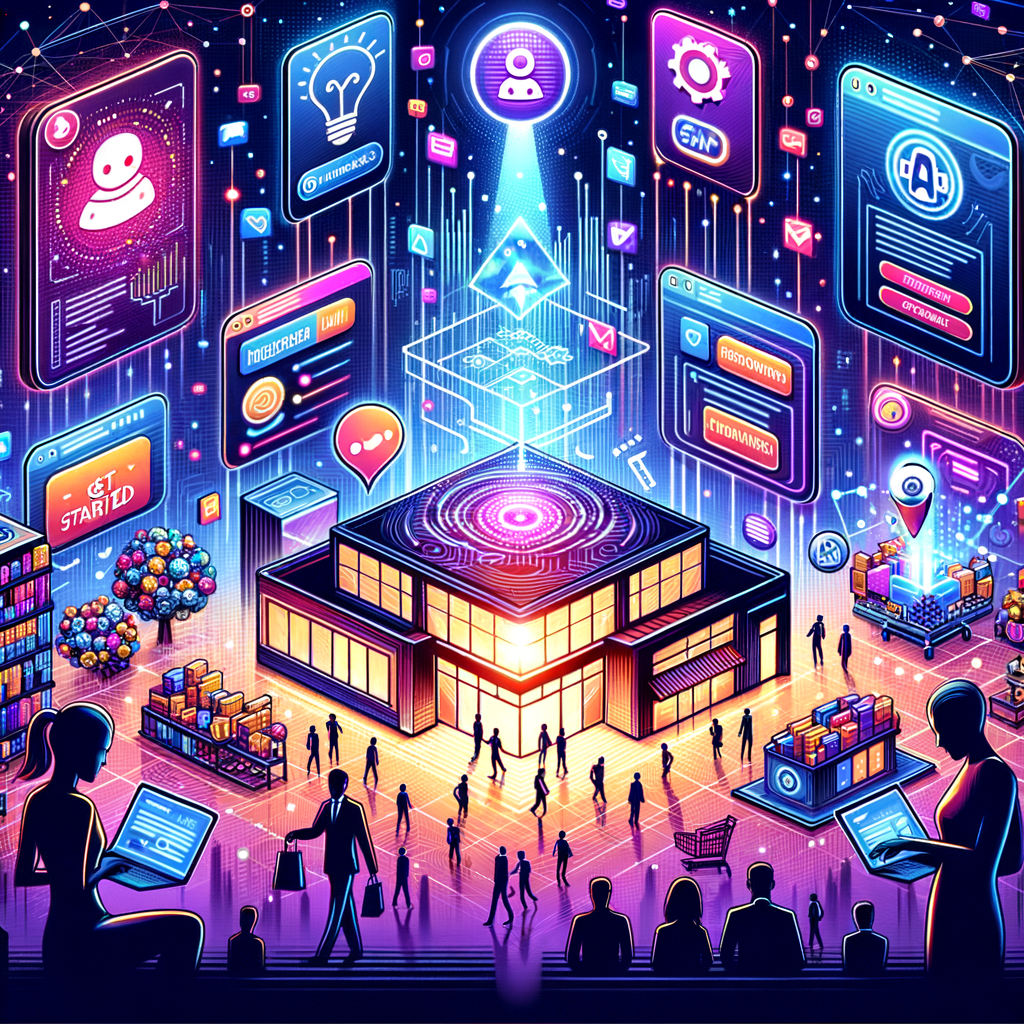
UX/UI Design for SaaS
Published: 22 Aug, 2025UX/UI design for SaaS is about providing easy-to-navigate experiences for on-demand software. Good SaaS UI/UX design focuses on the clients requirements, optimizes processes and provides a consistent user engagement across mobile, desktops and the world wide web. This will encompass knowing who the target users are, how the user flows optimization and keeping the interfaces clear and tidy.
When you have a thriving SaaS company, it’s about more than building great software—it’s about delivering a great digital journey and having the proper lawful structure in place to enable that flow to amplify. As more firms pay for UX/UI design services to look better than the competition in today’s saturated cloud software market, potential clients are also eyeing models such as franchising or commercial concessions to expand rapidly and legally.
Let’s explore how intuitive design combines with sound legal engineering—and why both are necessary to building a scalable SaaS business.
SaaS UX/UI Design: Designing for a Seamless Digital Experience
It’s not just about making software look good; it’s about how it serves real people. As a cultural shift in the land of SaaS, UX/UI design works to perfect cloud-based technology to be as intuitive, efficient, and aesthetically pleasing as it can be.
5 fundamentals of good SaaS product architecture
- User-led: This all starts with figuring out your users—their desires, their frustrations, and how they operate. Learn, test, and personal improvement allow departments tailoring for people who actually need it.
- Easy to use: Your users should never feel lost. Menus should be clear, layouts thoughtful, and flows logical.
- Speed and Latency: As a SaaS app, slow services are guaranteed to result in lost users. Performance is an element of the UX plan.
- Clutter-free, fluid & functional interface: A clean structure keeps users focused and reduces errors.
- Mobile-compatible: Your platform needs to be user-friendly and eye-catching on any device. Mobile responsiveness is non-negotiable.
- For All: User-centered for everyone isn’t just good ethics; it is also a legal and competitive imperative.
Visual Identity
A polished, cohesive style increases brand awareness and presents your activity with authority!
Great interaction means more audience participation, happier clients, fewer support requests, more brand loyalty, and, ultimately, less churn and more revenue.
Going Big: Franchise and revenue-sharing agreements
Once your product and the seamless interaction it delivers are in place, the issue becomes: how do you scale it? Brand network (franchise) and revenue-sharing agreements are effective for selling and duplicating the UX/UI design service model to your partners or agencies.
What Is a Brand Network Contract?
Such type of deal is a lawful, official franchise agreement (the proprietor of a brand or commercial structure) and the contracting party (the entrepreneur who buys the franchisor’s commercial structure and commercial title), involving the approved operating rights in accordance with the parent company’s concept, know-how, commercial title, and assistance. The contracting party fulfills payment obligations and follows the proprietor’s operational guidelines in return.
Critical Clauses:
- The owners’s of the brand network contract rights and attributes detail
- Distinct separation between the contracting parties
- Commitments for assistance and practical learning
- Payment structure and timelines
- Proprietary rights clauses
- Secrecy and non-compete commitments
- Settlement provisions
Such a deal is more than just a contract; it is a system that allows others to successfully replicate your business without compromising performance and trustworthiness.
What is a revenue-sharing agreement?
Think of it as a creative partnership. Instead of just selling a product, one side opens up its design, style, and brand identity for another to use. In return, profits are shared. It’s less about rules and more about keeping the brand’s look, feel, and reputation consistent across every touchpoint.
How it usually works:
- Everything is put in writing to keep the vision clear.
- The partner focuses on their own area, staying true to the brand’s design language rather than competing with it.
- The collaboration includes not just the logo, but also the overall design system, customer experience, and the trust the brand has already built.
According to legislation, there are no differences between brand networks and authorized business partnerships. The secret to achieving results is being able to “pack” the system with:
- Studio manuals and brand guides
- Templates, tools, and platform access
- Designer and Project Manager training programs
- Checklists and review processes
- Lawful and operational paperwork
As the franchisor, you will help troubleshoot and update to keep the brand strong, while the franchisee must maintain the level of quality.
Ready to Scale Your UX/UI Design?
If you’re a SaaS model preparing for growth or a design solutions provider looking to prepackage, franchising or commercial concessions might offer a strong, scalable pathway. This is only possible, however, with smart UX, a strong brand, and fail-safe deals
Why choose Eternity Design?
At Eternity Design, we blend human-centered UX/UI with a rock-solid legal foundation, ensuring your SaaS product isn’t just beautifully designed but also structured for sustainable growth. Our team combines design expertise with compliance know-how, so you get a digital experience that delights users and a business model that scales securely.
A smooth interface mitigates friction, boosts engagement, lowers support needs, and increases customer retention.
Best practices for SaaS UX/UI design
- User-first: Understand goals and pain points
- Intuitive layout: Clear navigation and structure
- Speed: Fast and responsive design
- Efficient use of space: Minimize errors
- Mobile-friendly: Responsive across devices
- Universal design: Accessible and compliant
A consistent, professional look builds trust and boosts brand recognition.
A legal agreement that lets partners operate under your brand, methods, and standards in exchange for fees or royalties.
Key Contract Clauses
- Rights and responsibilities
- Separation of parties
- IP and confidentiality
- Payment terms
- Support & training
- Dispute resolution
- Build brand guidelines and design playbooks
- Create templates and tools
- Train staff
- Set up systems and documentation
Key Contacts